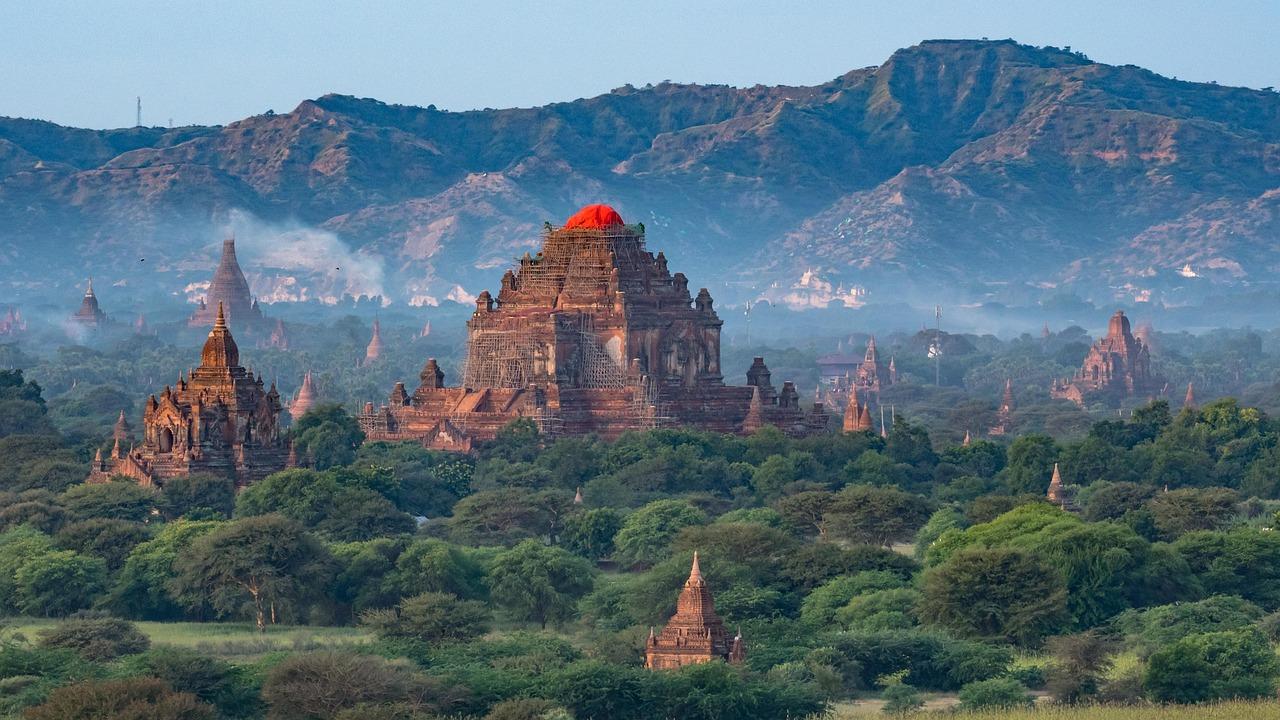
Nestled in the heart of Myanmar, Bagan stands as a breathtaking testament to ancient history and vibrant culture. With over 2,000 well-preserved temples and pagodas spread across a vast plain, this UNESCO World Heritage site offers travelers a unique glimpse into the past, combined with stunning natural beauty. Whether you’re an avid history buff, a photography enthusiast, or simply seeking a peaceful escape, Bagan has something special to offer. However, exploring such a rich and expansive destination can feel overwhelming without a little guidance. That’s why we’ve crafted this friendly Bagan travel itinerary to help you make the most of your visit. From the best times to explore temples to must-see spots and local tips, our guide aims to simplify your journey and ensure you experience the magic of Bagan in a meaningful and memorable way. Let us be your companion on this extraordinary adventure through one of Southeast Asia’s most enchanting destinations.
Exploring Bagan Temples Beyond the Basics Discover Hidden Gems and Best Times to Visit
While the iconic temples of Bagan like Ananda and Dhammayangyi receive most of the spotlight, a treasure trove of less-visited sites offers equally mesmerizing experiences for the curious traveler. Venture beyond the crowds to discover hidden gems like the serene Sulamani Temple with its exquisite frescoes, the tranquil Gu Byauk Gyi known for its rare mural paintings, or the peaceful Manuha Temple that holds a fascinating history within its stone walls. Each hidden site not only reveals a unique chapter of Bagan’s ancient story but also provides a more intimate atmosphere for reflection and exploration. To make the most of your visit, consider timing your temple excursions during the early morning or late afternoon hours when the light softens the brickwork to a golden hue and the crowds diminish. Sunset is particularly magical from the top of Shwesandaw, where panoramic views stretch endlessly across the temple plains, offering a breathtaking backdrop for photos. For the best times to visit, the dry season from November to February delivers cool mornings and clear skies, perfect for both sightseeing and photography. Remember that weekdays are quieter, and local festivals can infuse your experience with cultural vibrancy but also bring bigger crowds. Embracing these lesser-known temples and strategic timing elevates your Bagan journey from ordinary to unforgettable – a true insider’s experience that Gezify is excited to share with every adventurous soul.
| Best Time | What to Expect | Recommended Spots |
|---|---|---|
| Early Morning (6-8 AM) | Fewer tourists, soft golden light | Sulamani, Gu Byauk Gyi |
| Late Afternoon (3-5 PM) | Warm hues, peaceful atmosphere | Manuha, Nagayon Temples |
| Sunset (5-6:30 PM) | Panoramic views, magical skies | Shwesandaw, Pyathadar |
| Dry Season (Nov – Feb) | Cool weather, clear skies | All temples, ideal for photography |
- Tip: Hire a local guide to uncover stories behind the lesser-known temples and navigate the vast area efficiently.
- Note: Respect dress codes and temple etiquette to honor local customs.
- Gear: Carry water, sunscreen, and comfortable walking shoes for off-the-beaten-path exploration.
Savoring Local Flavors Where to Eat and What to Try for an Authentic Experience
When exploring Bagan, cuisine should be as much of a highlight as the ancient temples themselves. For an authentic taste of the region, seek out family-run eateries and bustling street food stalls where traditional recipes have been lovingly preserved through generations. Must-try dishes include Mohinga, Myanmar’s beloved fish noodle soup often enjoyed for breakfast; Shan-style rice featuring turmeric-infused sticky rice paired with fresh herbs and juicy chicken; and Tea Leaf Salad (Lahpet Thoke), a uniquely Burmese mix of fermented tea leaves, crunchy nuts, and shredded vegetables bursting with tangy, nutty flavors. Don’t miss sampling Grilled Fish and Freshwater Prawns along the Irrawaddy River, often sold by street vendors as you watch the sunset paint the pagodas golden.
Gezify recommends visiting the Nyaung U night market for an effortless dive into local food culture, where you can try multiple dishes while mingling with friendly locals. Another gem is the traditional Myanmar restaurant called The Green Olive, renowned for its warm atmosphere and authentic family recipes that showcase the heart of Bagan’s culinary heritage. Whether you’re craving hearty comfort food or exotic spice combinations, dining in Bagan is an unforgettable journey through the flavors that define Myanmar’s rich culture and history.
| Dish | Description | Where to Try |
|---|---|---|
| Mohinga | Traditional fish broth with rice noodles, lemongrass, and banana stem | Nyaung U Market stalls |
| Tea Leaf Salad (Lahpet Thoke) | Fermented tea leaves mixed with nuts and crunchy vegetables | The Green Olive |
| Shan-style Rice | Turmeric sticky rice served with marinated meats and fresh herbs | Local eateries around Old Bagan |
| Grilled Fish & Prawns | Freshwater catch grilled over coals with traditional spices | Riverside vendors near Irrawaddy River |
Exploring Bagan’s ancient temples and vibrant culture is an unforgettable journey, and with this itinerary, you’ll navigate the highlights smoothly and meaningfully. Whether you’re marveling at sunrise over countless pagodas or savoring local flavors, Bagan offers a unique blend of history and tranquility. Remember to pace yourself and embrace the serenity that surrounds you. Safe travels, and may your adventure in Bagan be as enriching as the stories etched into its timeless landscape.
Leave a Reply