Cruising has long been a popular way to explore the world’s coastlines, offering travelers a unique blend of relaxation, entertainment, and adventure. A common question among cruise enthusiasts and first-timers alike is whether major cruise ships typically sail together following similar itineraries. Understanding this pattern can help travelers make informed decisions about their vacation plans and set realistic expectations about their onboard experience. While it might seem logical that large cruise lines, with their extensive fleets, would cluster ships along similar routes, the reality is more nuanced. Factors such as market demand, seasonal changes, and strategic positioning influence itinerary planning, leading to both overlapping routes and distinct journeys. In this article, we delve into how major cruise ships operate in relation to one another, shedding light on why some itineraries coincide and others diverge. Whether you’re curious about the logistics behind cruise scheduling or hoping to avoid crowded ports and waters, these insights will provide a clearer picture of what to expect on your next voyage.
Understanding the Factors Influencing Major Cruise Ships to Travel on Similar Routes
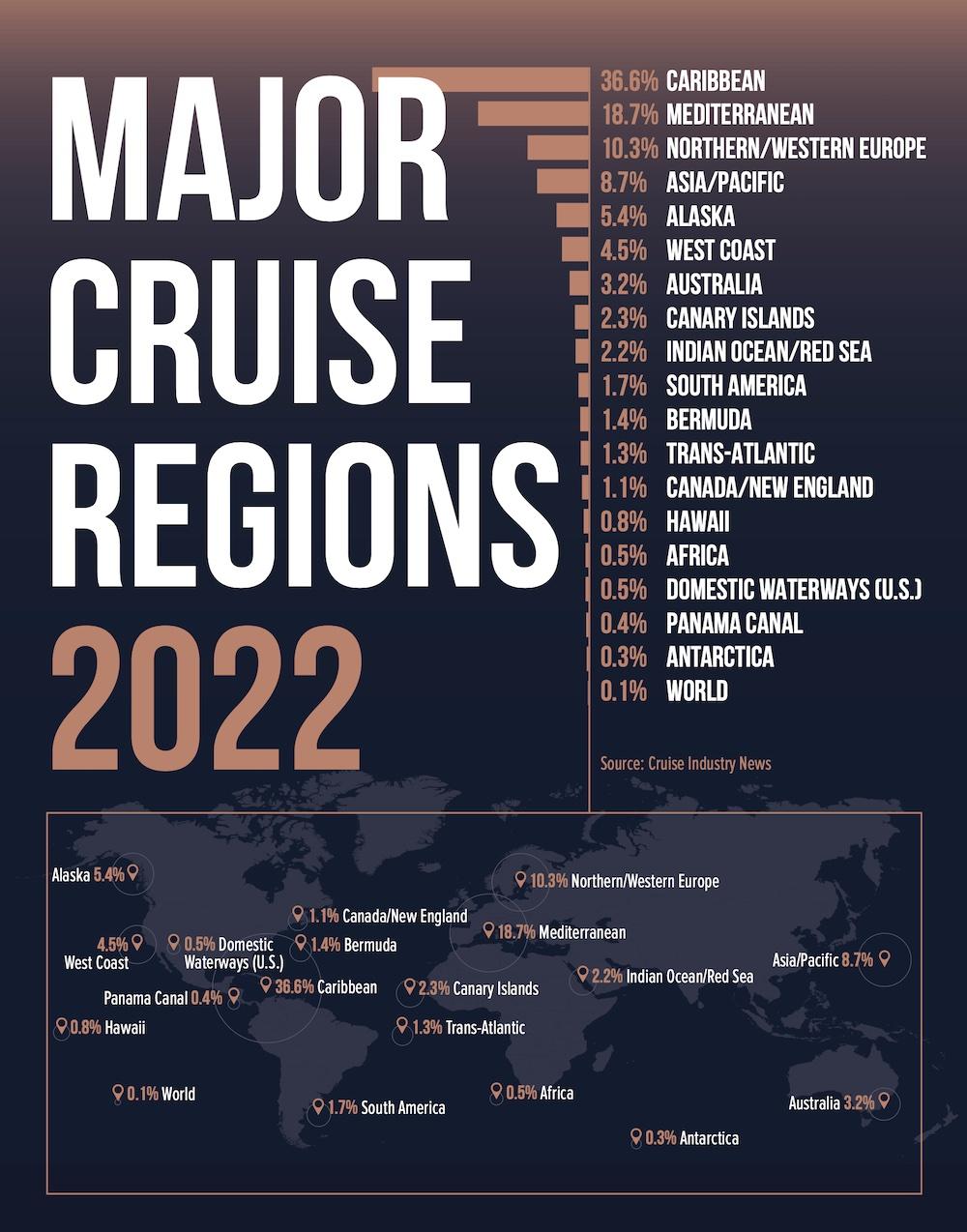
The trend of major cruise ships navigating similar routes in the same seasons is driven by a combination of market demand, logistics, and strategic partnerships. Cruise lines often target popular destinations like the Caribbean, Mediterranean, or Alaska because these areas assure high passenger interest and lucrative port facilities. Shared port calls optimize docking schedules and infrastructure usage, meaning several big ships can safely anchor at major hubs, benefitting from established amenities and seamless passenger experiences. Additionally, factors such as weather patterns, maritime regulations, and local events influence route planning, nudging fleets toward certain itineraries during peak seasons. Environmental considerations and fuel efficiency are also critical, as companies strive to balance customer satisfaction with sustainable operations. At Gezify, travel enthusiasts appreciate how these variables collectively orchestrate multiple ships’ simultaneous voyages – proving the cruise industry’s intricate blend of commerce and careful planning.
| Influencing Factor | Impact on Route Similarity |
|---|---|
| Passenger Demand | Drives ships to high-traffic, popular ports |
| Port Infrastructure | Encourages shared docking locations and synchronized schedules |
| Seasonal Weather | Influences safe passage and timing of voyages |
| Environmental Regulations | Shapes route adjustments to reduce emissions and comply with laws |
| Marketing Strategies | Aligns itineraries with competitive pressures and brand positioning |
- Economic efficiency: Concentrating routes reduces operational costs for fuel and crew.
- Collaborative scheduling: Cruise lines often coordinate port arrivals to manage congestion.
- Passenger preferences: Travelers seek tried-and-true destinations, reinforcing popular route repetition.
Practical Recommendations for Choosing Unique Itineraries and Enhancing Your Cruise Experience
When planning a cruise adventure, opting for unique itineraries can transform your voyage from ordinary to unforgettable. To step away from the often crowded, popular routes where multiple major cruise ships converge, consider these strategic approaches that Gezify enthusiasts have embraced: explore lesser-known ports, seek seasonal variations, and embrace specialty theme cruises that focus on cuisine, culture, or wellness. Small and medium-sized cruise lines frequently offer more distinctive routes that bypass mass tourism hubs, giving passengers intimate encounters with local life and rare experiences. Additionally, leveraging technology to monitor ship movements online can reveal patterns, helping you choose times and places where you’re more likely to have peaceful, less commercialized explorations. Below is a concise breakdown of key pointers to help you diversify your journey and maximize your onboard experience:
| Recommendation | Benefits | Considerations |
|---|---|---|
| Choose Alternative Ports | Avoid crowds, authentic cultural interaction | Limited amenities, fewer excursion options |
| Opt for Off-Peak Seasons | Quieter experience, better shore excursions | Weather variability, some attractions closed |
| Consider Specialty Cruises | Focused themes enhance engagement | Narrower audience, potentially higher cost |
| Follow Real-Time Vessel Tracking | Avoid congested ports, personalize enjoyment | Requires time and research effort |
- Book early: Unique itineraries tend to fill quickly, so securing your spot early through Gezify’s recommended agents can snag the best options.
- Engage with crew and locals: Insightful conversations often uncover hidden gems beyond the brochure.
- Stay flexible: Slight adjustments to your travel dates can unlock remarkable changes in ship routes and port experiences.
In conclusion, while major cruise ships sometimes operate on similar itineraries, especially in popular destinations, they rarely travel together as a coordinated group. Each ship often offers unique experiences tailored to different passenger preferences and schedules. Understanding these nuances can enhance your travel planning and set realistic expectations. Whether seeking bustling ports or quieter, off-the-beaten-path adventures, knowing how cruise lines operate helps ensure a memorable and enjoyable journey on the sea.
Leave a Reply